Quick Release Pin: The Ultimate Guide to Faster Assembly and Disassembly
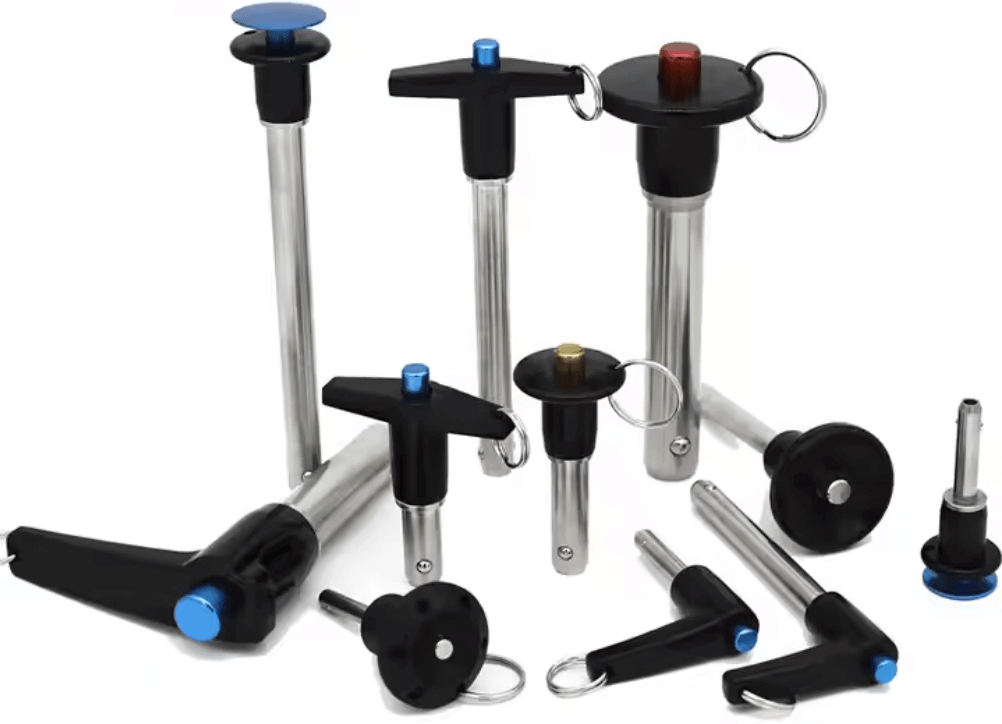
Quick release pins make connecting and disconnecting parts fast and simple without any tools. These handy fasteners let you secure and release components in seconds, saving you time and effort on assembly, maintenance, and adjustments. You’ll find them everywhere from machinery and equipment to sporting goods and home projects.
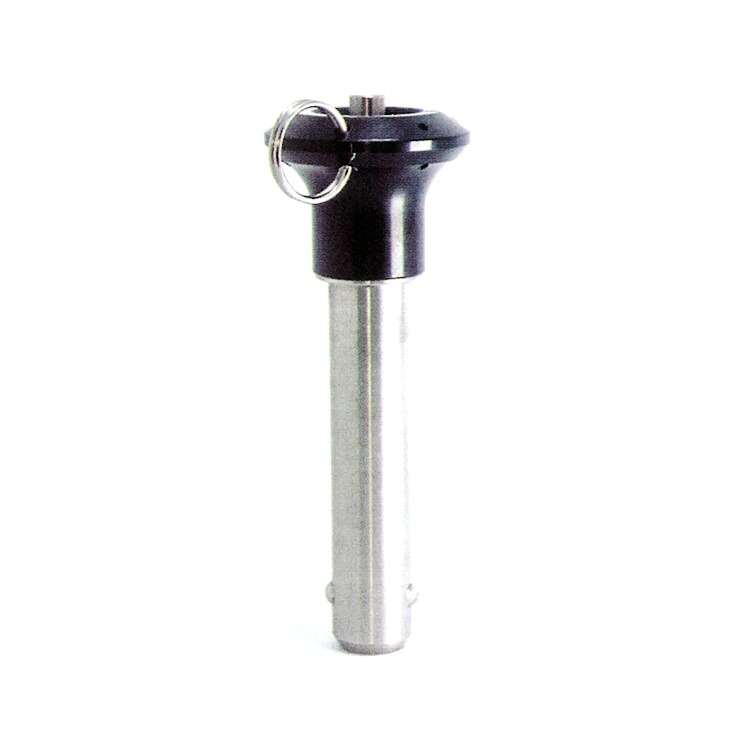
Unlike traditional pins or bolts that need wrenches or screwdrivers, quick release pins work with just your hands. You push a button, pull a lever, or twist a lock to insert or remove them. This simple design means you can take things apart and put them back together quickly whenever you need to.
Whether you’re working on industrial equipment, building custom projects, or just need a reliable way to connect parts temporarily, quick release pins offer the perfect solution. They come in different styles and sizes to match your specific needs, and they’re built to handle repeated use without wearing out.
Key Takeaways
- Quick release pins provide tool-free fastening that lets you connect and disconnect parts in seconds
- They come in various types including button-style, pull-pin, and locking versions for different applications
- You can use them across many industries from manufacturing and automotive to sports equipment and DIY projects
What Are Quick Release Pins?
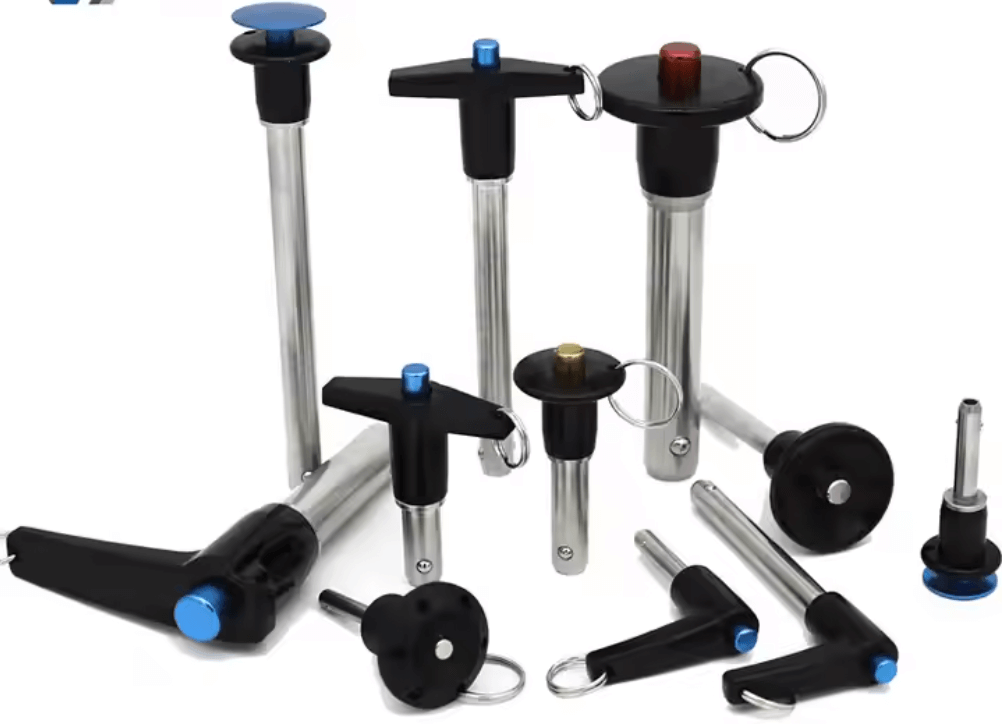
Quick release pins are fasteners that let you connect and disconnect parts quickly without needing tools. They feature a locking mechanism that holds components together securely until you’re ready to release them with a simple button push or ball pull.
Definition and Key Features
Quick release pins are specialized fasteners designed for fast assembly and disassembly. You can insert them into aligned holes to join two or more parts together temporarily or permanently.
The main feature that sets these pins apart is their tool-free operation. You don’t need wrenches, screwdrivers, or any other equipment to use them. This makes your work faster and more efficient.
These pins come in various styles and sizes to match different applications. They’re built from strong materials like stainless steel, carbon steel, or aluminum. The design allows you to remove and reinstall them hundreds or even thousands of times without wearing out.
Essential Components
Every quick release pin has several key parts that work together. The pin shaft is the main body that goes through your mounting holes. The locking mechanism keeps everything secured in place.
Most pins include a button, ball, or lever that you press or pull to release the lock. A spring inside the pin provides the tension needed to keep the locking mechanism engaged. Some pins have detent balls or locking balls that pop out into grooves or holes to prevent the pin from sliding out.
The handle or grip gives you something to hold while inserting or removing the pin. Many designs include a retaining ring or clip at one end to prevent complete removal.
How the Locking Mechanism Works
The locking mechanism is what makes quick-release pins so effective. When you insert the pin, spring-loaded balls or detents automatically pop out through holes in the shaft. These balls catch on the far side of your workpiece to lock everything together.
To release the pin, you press a button or pull a ring that pushes the balls back inside the shaft. This lets you slide the pin out freely. The spring immediately pushes the balls back out once you release the button.
Some pins use a different system with a cross-pin or wire that slides through holes in the shaft. You pull the cross-pin out to remove the main pin, then let it snap back into place for the next use.
Types of Quick Release Pins
Quick release pins come in several designs, each with unique features for different applications. Ball detent pins offer simple spring-loaded operation, while ball lock pins provide maximum security with their button-release mechanism.
Ball Detent Pins
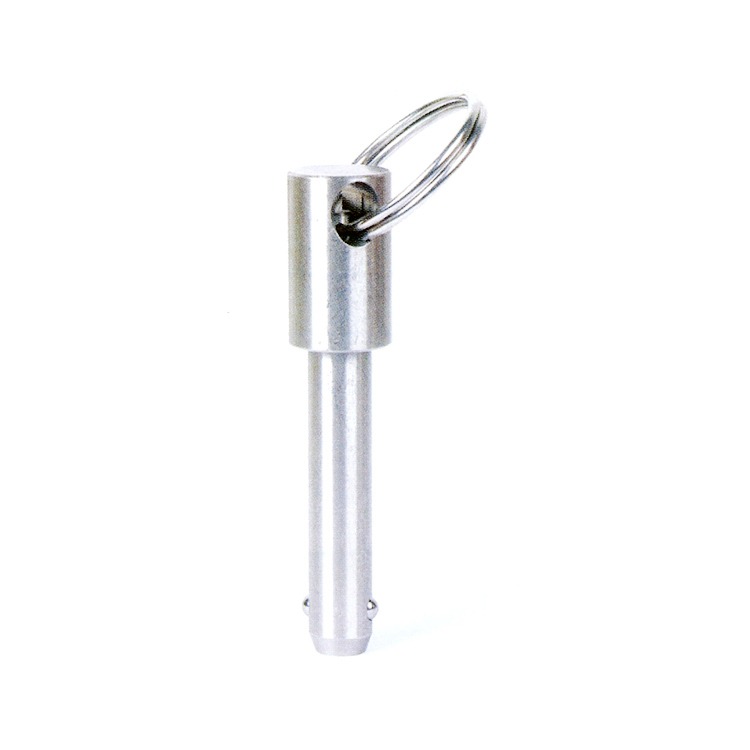
Ball detent pins are one of the simplest types of quick-release pins you can use. They feature small spring-loaded balls on the shaft that pop out through holes to secure the pin in place. When you push the pin through a hole, the balls compress and then spring outward to lock it.
You’ll love how easy these pins are to operate with just one hand. The spring tension holds everything together, but you can remove the pin by pulling firmly on the handle. This design works great when you need frequent adjustments but don’t require maximum security.
These detent pins work best in applications where vibration is minimal. The spring-loaded balls can gradually work loose under heavy shaking or movement. You’ll find them commonly used in gym equipment, adjustable shelving, and light machinery.
Ball Lock Pins
Ball lock pins give you the most secure connection among quick release pins. They use a push-button mechanism that controls internal balls which lock into place through holes in the shaft. When you press the button, the balls retract inward so you can remove the pin.
Your equipment stays firmly connected because the balls lock positively into the receiving hole. Unlike detent pins, these won’t slip out under vibration or load. The button must be deliberately pressed before the pin releases.
Key advantages of ball lock pins:
- Maximum holding strength
- Vibration resistant
- Positive locking action
- Easy to verify locked position
You’ll appreciate these pins for heavy machinery, trailer hitches, and industrial equipment where safety matters most.
T-Handle Quick Release Pins
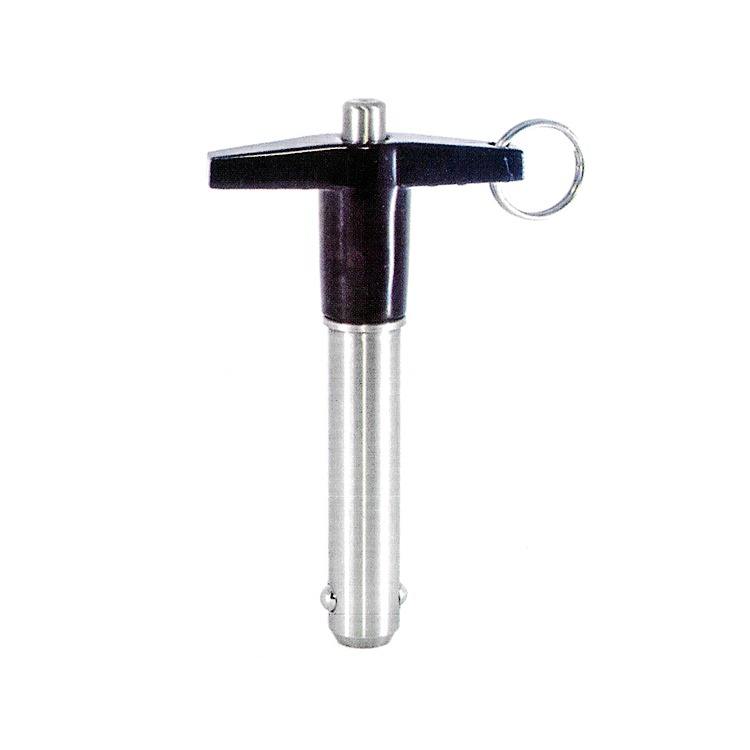
T-handle quick-release pins feature a T-shaped grip that gives you excellent leverage for insertion and removal. The perpendicular handle design lets you apply force comfortably with your whole hand. Most T-handle pins combine the grip with either ball detent or ball lock mechanisms.
You can quickly spot whether your pin is installed just by looking at the distinctive T-handle. This makes visual inspection easy during safety checks. The handle also prevents the pin from sliding completely through the holes.
These pins shine in applications where you need to remove and reinstall them frequently throughout the day. Agricultural equipment, construction machinery, and adjustable workout gear commonly use T-handle quick-release pins.
L-Handle Quick Release Pins
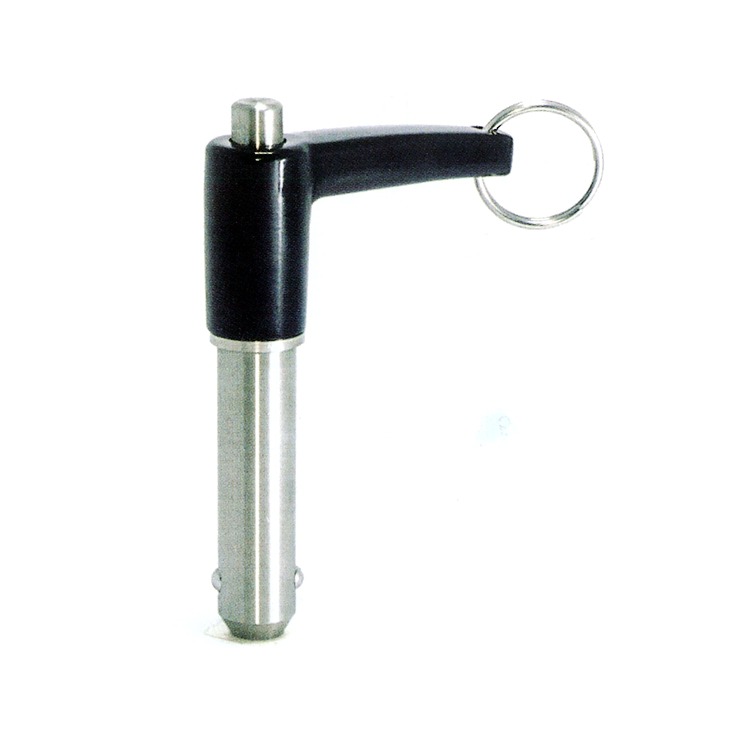
L-handle quick-release pins have a handle bent at 90 degrees from the shaft. This compact design takes up less space than T-handles when installed. You can flip the handle parallel to the pin shaft for an even lower profile.
The L-shaped grip still gives you good leverage for pulling the pin out. When space is tight, you’ll find these handles easier to grasp than straight pins. Many designs let you rotate the handle out of the way after installation.
You’ll see L-handle quick-release pins on vehicle accessories, compact machinery, and anywhere clearance is limited. They’re perfect when you need quick release functionality but can’t spare the room for a T-handle.
Specialty and Locking Quick Release Pins
Some quick release pins come with special features that make them even more secure and useful for demanding jobs. Locking mechanisms add extra safety, while specialty designs handle tough environments like marine settings or heavy equipment.
Locking Quick-Release Pins Overview
Locking quick-release pins give you an extra layer of security that standard pins can’t match. These pins include a locking mechanism that prevents accidental removal during use. You’ll find them essential when vibration, movement, or safety concerns make regular quick release pins too risky.
The locking mechanism works in different ways depending on the design. Some use a secondary pin or clip that slides through holes in the main pin body. Others feature a twist-lock system where you rotate part of the pin to engage the lock.
You should choose locking quick-release pins for equipment that moves constantly or operates in high-vibration environments. They’re perfect for trailers, agricultural equipment, and construction machinery where a pin falling out could cause serious problems or injuries.
Button Handle Quick Release Pins
Button handle quick release pins feature a round knob at one end that you press to release the locking balls or detent mechanism. Your thumb fits perfectly on the button, making these pins super easy to operate with one hand. The spring-loaded button pops back out once you insert the pin through your mounting holes.
These pins work great when you need to make quick adjustments or frequent changes to your equipment setup. You’ll love how fast you can remove and reinstall them compared to traditional pins and clips.
The button design protects the release mechanism from dirt and debris better than some other styles. This makes them reliable for outdoor use and dusty work environments.
Marine and Heavy-Duty Pins
Marine quick release pins are built with stainless steel to resist saltwater corrosion and harsh ocean conditions. You need these specialized pins for boats, docks, and any equipment exposed to marine environments. Regular steel pins would rust quickly and fail when you need them most.
Heavy-duty pins feature thicker shafts and stronger materials to handle extreme loads and stress. You’ll find these pins rated for specific weight capacities, often supporting thousands of pounds. They use larger diameter construction and hardened steel to prevent bending or breaking under pressure.
Both marine and heavy-duty versions often combine their specialty features with locking mechanisms for maximum security and reliability.
Applications and Use Cases
Quick-release pins make assembly and disassembly faster across many industries. You’ll find these fasteners in equipment where parts need frequent adjustments or regular maintenance access.
Industrial and Manufacturing Equipment
You can use quick-release pins in factory machinery to speed up changeovers and repairs. Assembly lines benefit from these pins because they let workers swap out components in seconds instead of minutes. This saves valuable production time!
Manufacturing equipment like conveyor systems, stamping machines, and packaging lines use quick release pin fasteners for guard removal and adjustment points. You’ll love how easily you can access internal parts for cleaning or maintenance. Machine shops rely on these pins for jigs and fixtures that need frequent repositioning.
Production facilities use quick-release pins on safety guards and access panels. You can remove these covers without tools, which makes inspections much faster. The pins handle vibration well, so they stay secure during operation but release instantly when needed.
Material Handling Systems
Forklifts and pallet jacks use quick-release pins to adjust forks and attachments. You can change fork positions or swap attachments without hunting for tools. Warehouse workers appreciate how this speeds up their daily tasks.
Carts and dollies feature these pins for handle adjustments and wheel changes. You’ll find them on height-adjustable platforms where operators need quick modifications. Loading docks use quick-release pins on ramps and levelers for easy positioning.
Scaffolding systems rely heavily on these fasteners. You can assemble and take apart sections quickly, which saves labor costs on job sites. The pins lock frames together securely but pull out instantly when you need to reconfigure the setup.
Aerospace and Defense
Aircraft ground support equipment uses quick-release pins for towing bars and maintenance stands. You need reliable fasteners that ground crews can operate quickly between flights. These pins meet strict safety standards while providing fast connections.
Military vehicles feature quick release pin fasteners on cargo systems and equipment mounts. You can secure gear rapidly in field conditions. Weapon systems use specialized pins for mounting and alignment that military personnel can operate even while wearing gloves.
航空航天 applications require pins made from special materials that handle extreme temperatures and stress. You’ll see them on engine cowlings, access panels, and removable fairings where mechanics need frequent access.
Marine and Agricultural Applications
Boat trailers use quick-release pins for adjustable bunks and tongue extensions. You can modify your trailer setup at the launch ramp without delays. Marine equipment like outboard motor brackets and fishing rod holders rely on these pins for quick adjustments.
Farm equipment needs fast changes for different implements. You’ll find quick-release pins on tractor attachments, plow adjustments, and harvester components. Farmers save hours during planting and harvest seasons because they can swap equipment rapidly.
Irrigation systems use these pins on pipe connections and sprinkler adjustments. You can modify water distribution patterns throughout the growing season. Livestock gates and panels connect with quick-release pins so you can reconfigure pens and chutes as needed.
Installation and Operation
Getting your quick release pin installed correctly and knowing how to use it properly makes all the difference in performance and safety. The right selection, proper handling techniques, and regular care keep your pins working smoothly for years.
How to Select the Right Pin
You need to match the pin diameter and length to your specific application. Measure the hole size in your equipment carefully before buying a quick release pin.
Check the weight capacity rating on the pin. Your pin must support at least 150% of the maximum load you plan to use it for.
Consider the material based on your environment. Stainless steel works great for wet or corrosive conditions, while zinc-plated steel handles most dry indoor applications.
Look for these key features:
- Push-button release mechanism that’s easy to grip
- Proper shaft length that extends through your mounting holes
- Ball detent that locks securely in place
- Compatible lanyard attachment point
Pick pins with lanyards if you work in areas where dropped parts cause problems. The lanyard keeps the pin attached to your equipment even when removed.
Best Practices for Usage
Push the button fully before inserting or removing your quick release pin. The ball detent must retract completely to slide through the hole smoothly.
Insert the pin straight into the hole without forcing or angling it. You’ll hear a click when the ball detent pops into the locked position.
Always verify the pin locked correctly by:
- Checking that the ball detent extends through both sides
- Tugging gently on the pin to test engagement
- Looking for any gap between the pin head and mounting surface
Pull the pin straight out when removing it. Wiggling or twisting damages the ball detent mechanism over time.
Attach lanyards to a secure point on your equipment before use. This prevents losing quick release pins during removal and keeps them within reach for reinstallation.
Maintenance Tips
Clean your quick release pins every month if you use them daily. Wipe away dirt, grease, and debris with a cloth.
Spray a light lubricant like WD-40 on the button mechanism twice per year. This keeps the spring action smooth and prevents sticking.
Inspect the ball detent for wear every three months. Replace pins immediately if the ball doesn’t extend fully or feels loose.
Store unused quick release pins in a dry location away from moisture. Hang them by their lanyards to prevent bending or damage to the detent mechanism.
Check that stainless steel pins show no rust spots and zinc-plated pins have intact coating. Any corrosion weakens the pin strength and requires replacement.
Accessories and Related Components
Quick release pins work even better when paired with the right add-ons! Lanyards keep your pins secure and within reach, while clevis pins offer versatile connection options for different applications.
Lanyards and Tethers
Lanyards attach directly to your quick release pins and prevent you from losing them during removal. Most lanyards feature a loop or ring that connects to the pin’s ball detent or handle. You can then secure the other end to your equipment or frame.
These simple accessories save you time and frustration. You won’t have to search for dropped pins or carry spares when working in the field. Many lanyards use stainless steel cable or tough nylon cord that resists weather and wear.
Tethers work similarly but often include coiled designs that stretch when needed. This gives you flexibility while keeping your pins attached. You’ll find these especially useful on equipment where pins get removed frequently, like trailers, exercise equipment, or agricultural machinery.
Clevis Pins and Compatible Hardware
Clevis pins complement quick release pins in mechanical assemblies that need different connection methods. These pins slide through clevis joints and use cotter pins or clips to stay in place. You can swap between quick release and clevis pins depending on whether you need fast removal or maximum security.
Your quick release pin holes often accommodate clevis pins of matching diameters. This compatibility means you can choose the right fastener for each situation. Clevis pins excel in high-vibration environments where you need absolute certainty that connections won’t loosen.
Many manufacturers design their mounting holes to accept both pin types. You’ll appreciate this versatility when building custom equipment or making field repairs with whatever hardware you have available.
Quality, Compliance, and Policies
When you buy quick release pins, you want to know they’re built right and that companies handle your information properly. Understanding materials, terms of service, and privacy protections helps you make smart choices.
Materials and Durability Standards
Quick release pins are made from different materials based on what job they need to do. Steel pins handle the heaviest loads and toughest conditions. Stainless steel versions resist rust and work great outdoors or near water.
Aluminum pins weigh less and still hold strong for many uses. They’re perfect when you need to save weight but keep good strength.
Most quality pins follow standards like ASTM or ISO ratings. These numbers tell you exactly how much weight a pin can hold safely. Look for pins rated between 500 to 5,000 pounds depending on your needs.
The ball-lock mechanism should click firmly into place every time. Quality pins use hardened steel balls that won’t wear down quickly. The spring inside needs to last thousands of insertions without getting weak.
Terms and Conditions
Your purchase comes with terms and conditions that explain what you can expect. These rules cover warranties, returns, and how to use the product safely. Most companies offer 30 to 90 day return windows if the pins don’t meet your needs.
Warranties typically last one year and cover defects in materials or workmanship. They don’t cover normal wear or damage from misuse. You’ll need to keep your receipt to make warranty claims.
The terms and conditions also explain liability limits. Companies protect themselves from damages beyond the product’s cost. Always read these before buying, especially for critical safety applications.
Privacy Policy
When you order quick release pins online, companies collect your personal information. The privacy policy tells you what data they gather and how they use it. This usually includes your name, address, email, and payment details.
Good companies protect your data with encryption and secure servers. They won’t sell your information to random third parties without permission.
Most privacy policies explain how long they keep your data and your rights to delete it. You can often opt out of marketing emails while still getting order updates. Check if the company shares data with shipping partners or payment processors.
Frequently Asked Questions
Quick release pins work best when you match the right materials and locking styles to your needs. Proper sizing and regular care help these fasteners last longer and perform better than standard bolts in many situations.
How can I ensure my quick release pin holds tight under heavy vibrations?
You need a pin with a strong locking mechanism to handle vibrations. Look for pins with double-locking features or ball detent systems that click firmly into place.
Spring-loaded pins work great because they maintain constant pressure. The spring keeps tension on the locking mechanism even when things shake around.
Check your pin regularly to make sure it hasn’t loosened over time. A quick visual inspection takes just seconds and can prevent problems before they start.
What materials are best suited for quick release pins in marine applications?
Stainless steel is your top choice for saltwater environments. It resists rust and corrosion even with constant water exposure.
Grade 316 stainless steel outperforms grade 304 in marine settings. The added molybdenum in 316 gives extra protection against salt damage.
Brass pins also work well in marine applications. They won’t corrode in saltwater and they’re easy to clean when salt builds up on the surface.
Are there different locking mechanisms available for quick release pins, and which ones are super secure?
Yes, you’ll find several locking types on the market. Button-style locks, ball detent pins, and wire lock pins each offer different security levels.
Ball detent pins with double locking balls provide excellent security. Both balls must release at the same time, which prevents accidental opening under load.
Wire lock pins give you the most security for critical applications. You thread a wire through holes in the pin to create a positive lock that can’t pop out unexpectedly.
Can you share some awesome tips for maintaining quick release pins to prolong their life?
Clean your pins after each use to remove dirt and debris. A quick wipe with a cloth keeps the locking mechanism working smoothly.
Add a drop of lubricant to moving parts every few months. This prevents rust and keeps springs functioning properly.
Store your pins in a dry place when you’re not using them. Moisture causes corrosion even on stainless steel over time.
What’s the coolest way to determine the correct size of quick release pin for my application?
Measure the diameter of your mounting hole first. Your pin should fit snugly without forcing it through the opening.
Calculate the shear load your application will experience. Match this number to the pin’s rated capacity, which manufacturers list in their specifications.
Consider the grip length you need. This is the distance the pin must span, and it should match the thickness of the materials you’re joining.
Could you explain the thrilling benefits of using quick release pins over traditional fasteners?
Quick release pins save you tons of time during assembly and disassembly. You can remove them by hand without any tools in most cases.
They work perfectly for parts you need to access frequently. Instead of unscrewing bolts every time, you simply pull the pin and you’re done.
These pins reduce the chance of losing hardware. Since you don’t need separate nuts and washers, there are fewer parts to keep track of during maintenance.